
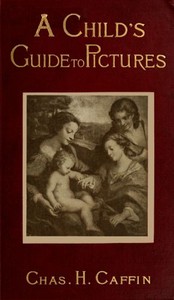
A Child's Guide to Pictures by Charles H. Caffin
Published in 1907, Charles H. Caffin's A Child's Guide to Pictures is exactly what the title promises: a gentle, clear introduction to looking at and understanding art. But don't let the 'child' part fool you—it’s a lesson in observation that benefits readers of any age who feel art is a locked door.
The Story
There's no traditional plot here. Instead, Caffin structures the book as a series of conversations and guided viewings. He presents famous paintings—works by Rembrandt, Turner, Millet, and others—and asks the reader direct questions. Why is this figure the center of attention? How does the use of dark and light make you feel? What story is the painting telling without words? He breaks down concepts like composition, color harmony, and expression by pointing to specific details in the artworks. The 'story' is the journey from simply seeing a picture to actively understanding the artist's choices and the emotion they aimed to create.
Why You Should Read It
What makes this book special is its complete lack of pretension. Caffin writes with patience and a genuine desire to share his passion. He avoids art history jargon and focuses on the immediate, visual experience. Reading it, you feel like you have a kindly, knowledgeable uncle walking you through a gallery, pointing out things you’d otherwise miss. His method teaches you to slow down and interrogate what you see. You start to notice how a line can suggest movement or how a patch of color can create a mood. It’s less about learning facts and more about building a skill—the skill of seeing with empathy and curiosity.
Final Verdict
This book is a perfect fit for curious beginners, parents or teachers looking for a way to talk about art with kids, or even seasoned art lovers who want to revisit the fundamentals with fresh eyes. It’s also a fascinating historical snapshot of what early 20th-century educators valued in art appreciation. The language is old-fashioned but warm, and the ideas are timeless. If you think art museums are intimidating or silent, let Caffin be your friendly guide. He hands you the keys to a richer, more connected visual world.
This masterpiece is free from copyright limitations. Access is open to everyone around the world.
Daniel Perez
1 year agoI was skeptical at first, but the pacing is just right, keeping you engaged. Definitely a 5-star read.
Linda Jackson
8 months agoLoved it.



Deborah Gonzalez
1 year agoCitation worthy content.